The Lantern of the Laughless Saint NPC Schedules Guide
Shopkeepers drink, sleep, and reopen—plan the island like a living clock.
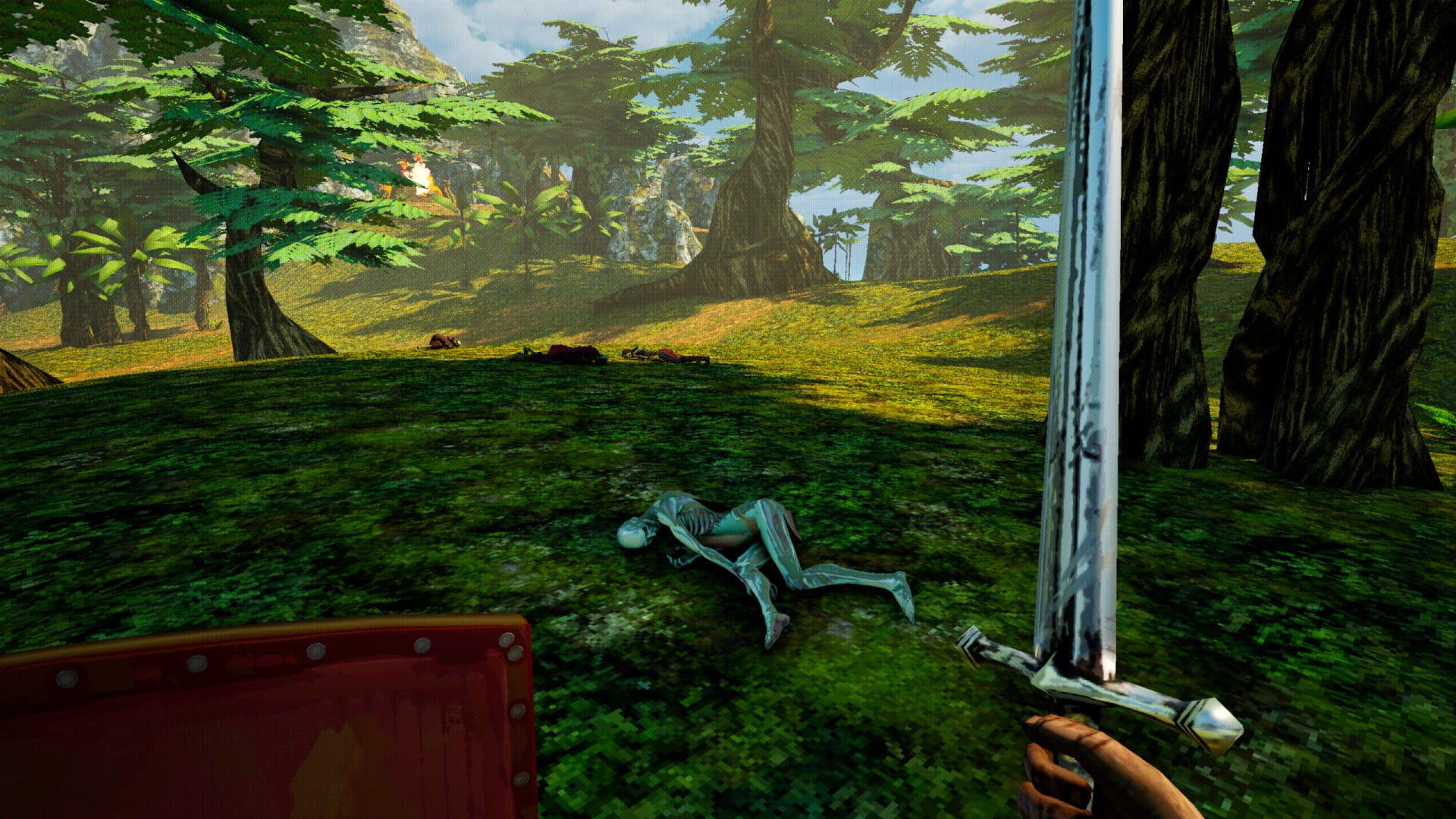
NerveLabs has described NPCs in The Lantern of the Laughless Saint as semi-simulated, with routines that are “not quite to the level of Skyrim” but still real enough that a shopkeeper might drink at a bar, go home to sleep, then return to the shop around 6am. This systems page turns that public comment into habits for Early Access (August 17, 2026) without inventing a full schedule database.
Why schedules matter on a rumor island
Scrolls-like play rewards walking and waiting. If vendors, witnesses, and weirdos move through the day, then theft, dialogue, and escort-style problems change with the clock. Pair schedules with Island Exploration so you stop treating towns as static menus.
Schedules also feed the Amphitheater. Interrupting someone’s sleep, robbing them while drunk, or helping them close shop safely are different verbs—mercy, deceit, violence, compromise—with different seats later (Amphitheater Choices).
What “semi-simulated” should mean for you
Expect patterns, not perfect simulation. Developer messaging contrasts Lantern with full Bethesda-grade schedules while still promising routines like the shopkeeper example. Practical translation:
- Revisit the same NPC at different times before you declare them “missing.”
- Note landmarks: bar, home, shop counters, docks.
- In co-op, assign one player as timekeeper so the party does not scatter across three hours of day.
Until players publish verified calendars after launch, keep a personal notebook instead of trusting leaked charts.
Planning visits, quests, and theft
Commerce: If a shopkeeper leaves for the bar, do not rage-quit—follow, wait, or return at dawn. Dialogue: Some leads may only make sense when a character is off-duty. Theft: Steam’s mature content note ties mild nudity to stealing outfits (Mature Content). Schedules change when theft is easy or watched—agree on house rules in co-op (How to Play Co-op).
Combat players should still care: empty streets can mean safer pulls or ambushes. See Combat Basics for retreat discipline when a “quiet” hour turns loud.
Builds that love the clock
Diplomat and explorer playstyles (Playstyle Tier List) gain the most from schedule literacy. Perception and dialogue presence skills (Early Priority Skills) help you notice who moved. Stealth-leaning theft builds must read NPCs and Cast so victims stay characters, not vending machines.
Spell crafters can waste reagents waiting; use downtime for Alchemy and Fishing instead of AFK pacing.
Co-op timing protocols
- Name a meeting hour in-world before splitting up.
- Ping when a key NPC starts moving.
- Ban surprise outfit theft unless everyone opted in.
- After a session, log three schedule observations for the wiki notebook you keep privately until verification is possible.
Early Access expectations
EA will polish systems and may change how clearly routines telegraph. Track shifts via the EA Roadmap. Do not assume every Ultima/Skyrim schedule trick ports one-to-one. Lantern’s island fantasy still comes first: rumors, Amphitheater, Tower depths.
Related systems reading
Treat the clock as a soft quest marker. When Early Access lets the community map real routes, this page will absorb verified examples. Until then, the winning habit is simple: if someone is not where you left them, ask where the island needed them next—and whether you are about to help or haunt them.
Frequently Asked Questions
Quick answers about Early Access, co-op, and systems.
Are NPC schedules confirmed?
Developer comments reported in press describe semi-simulated schedules, including a shopkeeper bar→home→shop around 6am example. Exact town charts await verified EA play.
Is this as deep as Skyrim?
NerveLabs said it is not quite Skyrim-level. Play for patterns and revisits, not perfect AI roommates.
Do schedules affect co-op?
Yes. Shared worlds need shared timing so the party does not miss vendors or trigger unwanted theft scenes.
Where do I log discoveries?
Keep personal notes during EA, follow official channels for bug reports, and watch this wiki page for verified updates.