The Lantern of the Laughless Saint How to Play Co-op
Share the island, the spoils, and the consequences—on purpose.
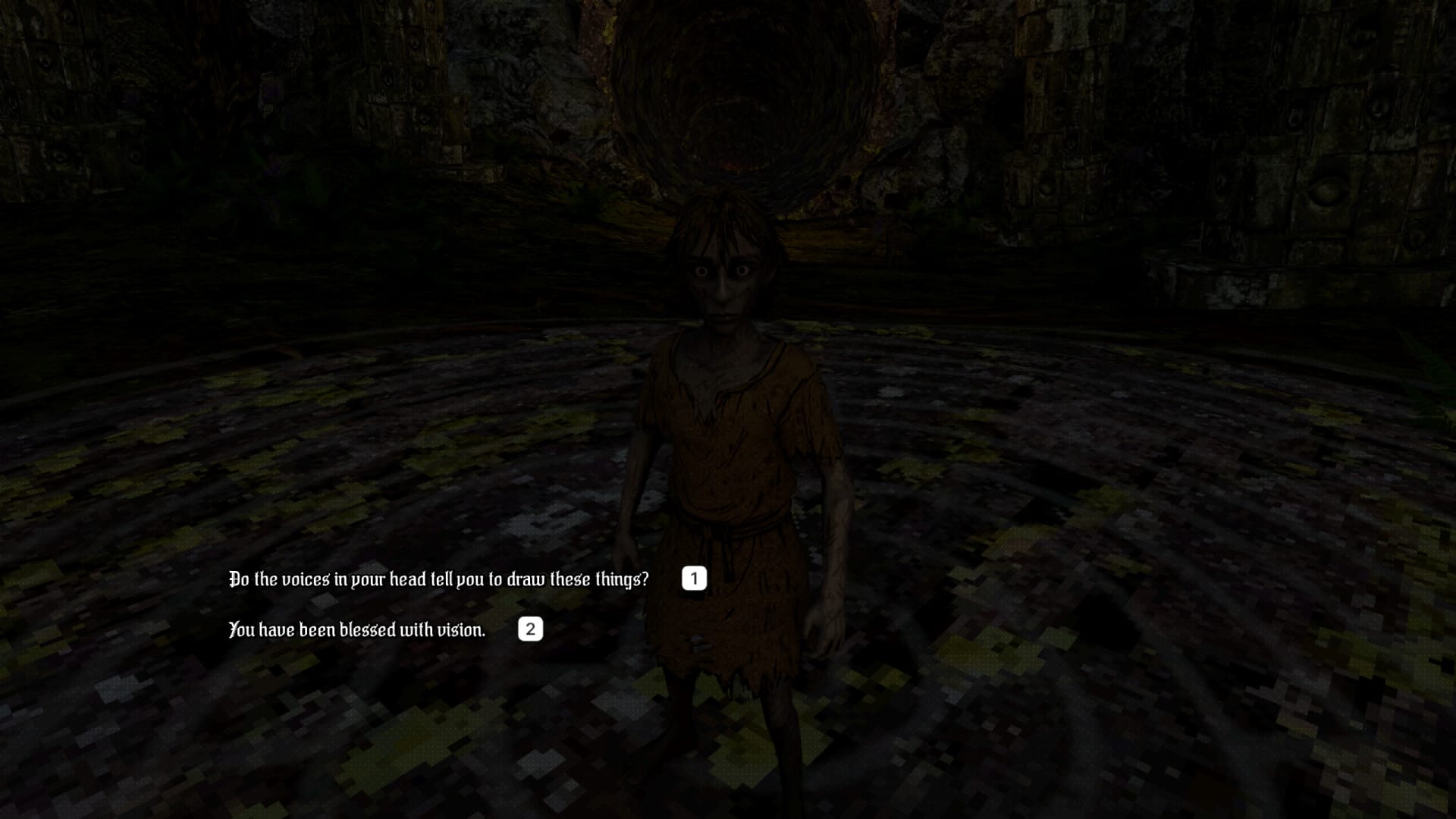
Full co-op is one of the loudest promises of The Lantern of the Laughless Saint. Steam lists single-player, online co-op, shared/split-screen co-op, and Remote Play Together. This guide explains how to plan a party session for Early Access without inventing lobby menus that are not yet public.
Why co-op changes the fantasy
The island’s story is about desire, consequence, and an Amphitheater that fills as you repair or ruin lives. In co-op, those consequences belong to everyone. Spoils can be shared, exploration can be split, and a single impulsive murder can rewrite the emotional geography of a questline. Talk before you swing.
NerveLabs leans into the joke that classic single-player scrolls fantasies rarely let you drag friends into the weirdness. Here, fungus wizards and illiterate toads become shared memories—or shared disasters.
Session setup checklist
- Match expectations: comedy murder-hobo night vs careful roleplay.
- Confirm everyone’s PC meets minimum specs and that network play is available where needed.
- Decide host and backup host if someone disconnects mid-Tower dive.
- Agree who speaks in dialogue-heavy scenes so Amphitheater outcomes feel intentional.
- Skim Getting Started together so nobody is lost on the premise.
Steam also notes partial controller support—useful for couch shared-screen, less critical for mouse-and-keyboard online parties.
Party roles that work before meta exists
Without a frozen endgame ladder, think in soft roles:
- Scout — leads exploration, watches for shortcuts into the Tower, tracks rumors (island exploration).
- Frontliner — owns weapon timing and pulls (combat basics).
- Tinkerer — experiments with spell crafting and alchemy support (spell crafting, alchemy and fishing).
- Diplomat — drives NPC conversations and Amphitheater strategy (amphitheater choices).
Rotate roles across sessions so everyone tastes the systems. Skills level by use, so a friend who never casts will stay a weak caster.
Loot, economy, and fairness
Co-op spoils are part of the pitch. With the live EA build, set house rules: need before greed on unique gear, shared potions when a wipe is expensive, and no secretly selling quest-critical items. If one player is optimizing a weapons and builds path, let them claim related drops first.
Choice ownership and conflict resolution
Most quests offer multiple resolutions—mercy, violence, compromise, deceit. When the party disagrees, pause. Options that work:
- Majority vote with a “veto once per night” for story-critical NPCs.
- Split the difference via compromise paths when available.
- Save-scum only if everyone consents; otherwise live with the phantom that takes a seat.
Remember: the House fills either way. Kindness seats trusted friends; abuse seats something darker. Filling seats is not the same as filling them with people you like.
Practical co-op etiquette on a weird island
Stay near enough to revive or reinforce. Ping landmarks verbally if the game’s ping tools are limited at launch. Do not pull every horror at once for content. Leave fishing and alchemy windows for downtime between Tower pushes. When someone wants to read lore scraps, wait—lore is how this world communicates.
After the session
Note which NPCs you helped or harmed, which shortcuts you found, and which spells nearly killed you. Cross-check the EA roadmap for upcoming multiplayer polish. Update your launch-day checklist if invite flow differs from what you expected. Return to the Guides Hub for the next specialty page.
Co-op in Laughless Saint should feel like sharing a fever dream, not competing for DPS meters. Plan lightly, communicate loudly, and let the Amphitheater record what your friendship actually did.
Host hygiene and session length
Pick a host with the strongest stable machine and a boringly reliable connection. Cap the first co-op session at two or three hours so Amphitheater decisions stay intentional instead of delirious. Schedule a five-minute recap at the end: which seats might have filled, which shortcuts you found, which spells are banned until tested. That recap becomes the opening slide for the next night and keeps the Guides Hub reading list honest.
Frequently Asked Questions
Quick answers about Early Access, co-op, and systems.
Does co-op cover the whole game?
Official copy states the entire game is fully playable in co-op, including exploration, delving, and shared choices.
Is split-screen supported?
Steam lists shared/split-screen co-op and Remote Play Together alongside online co-op. Confirm performance on your hardware at launch.
Do we need identical builds?
No. Soft roles (scout, frontliner, tinkerer, diplomat) work better than cloned loadouts, especially while skills level by use.
What if we disagree on quest choices?
Pause and vote, use compromise paths when available, or schedule a darker/lighter session on purpose. Amphitheater seats belong to the whole party.