The Lantern of the Laughless Saint Amphitheater Choices Explained
Fill the House on purpose—friends or darker phantoms.
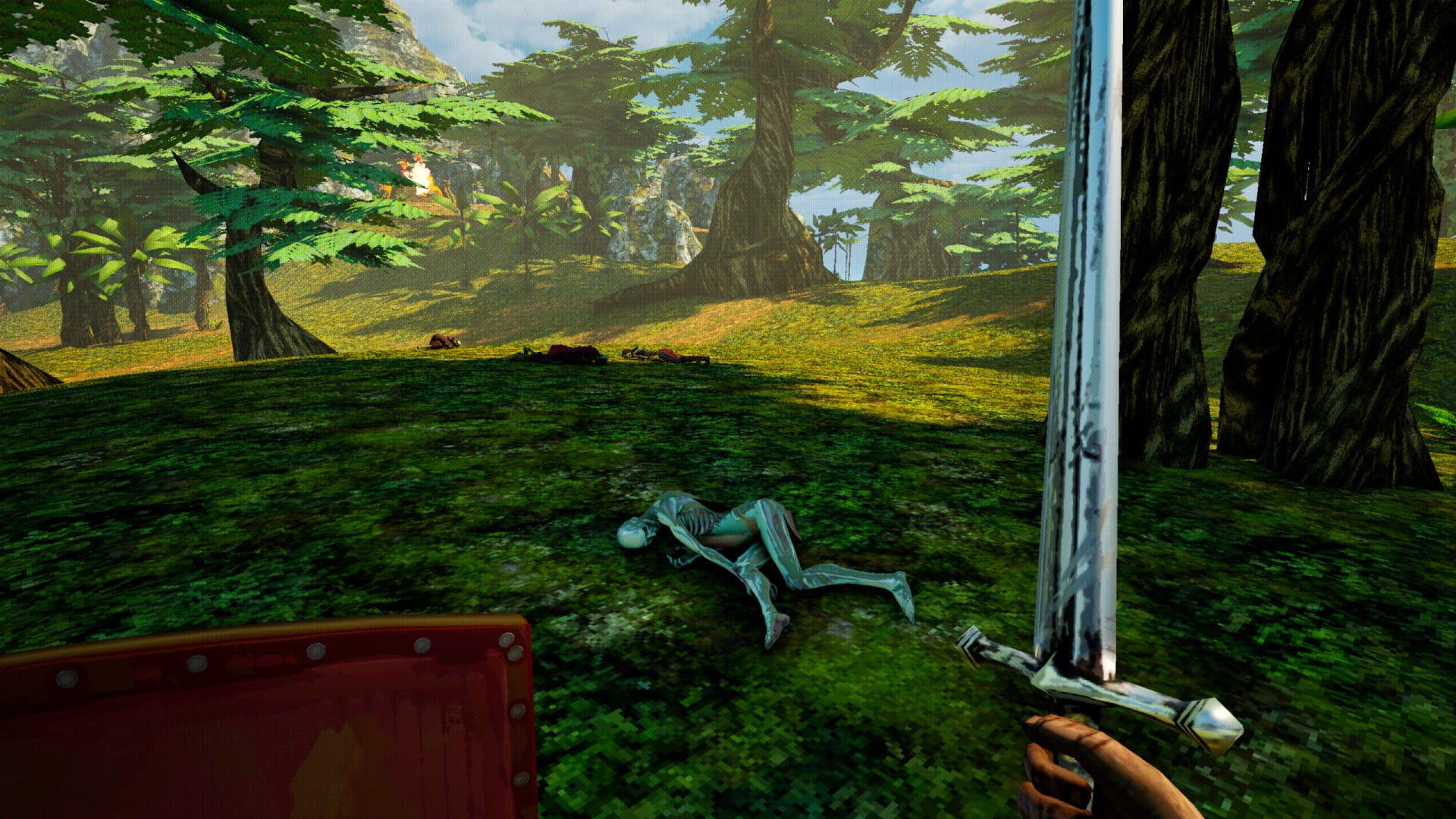
Somewhere beneath the island waits a theater with an empty stage. As you repair or ruin lives, phantoms take seats. The more seats you fill, the more the island listens—and the louder the applause for your final act. This guide unpacks the Amphitheater fantasy so you can play The Lantern of the Laughless Saint with intention from day one of Early Access.
The fantasy in plain language
NerveLabs frames choices as world-changing pressure, not cosmetic dialogue twigs. Treat people with kindness and a trusted friend may sit in your audience. Fail or abuse them and something darker takes the chair. Either way, the House fills. You cannot opt out of consequence by ignoring everyone; absence is also a story.
Four resolution verbs
Steam’s pitch highlights open-ended quests resolved through:
- Mercy — spare, heal, forgive, or walk away when violence would be easy.
- Violence — end threats permanently; fast, costly, memorable.
- Compromise — split the difference, trade favors, accept imperfect peace.
- Deceit — lie, steal, manipulate, or stage outcomes that look like mercy.
None of these is universally correct. A mercy run may seat gentle allies. A deceit run may fill rows with masks. A violence run may clear obstacles and poison the island’s memory of you. Read the room—literally, when the Amphitheater reacts.
How to practice intentional play
Before major quests, ask: who might sit because of this? In co-op, sync with party rules. Solo, keep a short journal of named NPCs and what you did. Bizarre characters—the toad learning to read, the swimming skeleton, the faraway musician—are not joke props; they are future audience members.
When stuck between options, prefer the choice that matches your playstyle tier. A diplomat build thrives on mercy and compromise. A chaos mage might lean deceit and spectacular violence. Consistency makes the final performance coherent.
Connection to exploration and combat
You cannot fill seats if you never meet people. Use island exploration to follow rumors into side stories. Combat is sometimes the dialogue—see combat basics for when backing down preserves a future ally. Stealing outfits (noted in mature content warnings) can create mild nudity scenarios; know that theft itself is a moral verb with Amphitheater weight.
Co-op special cases
Shared authorship means one player’s cruelty becomes everyone’s audience. Decide whether seats are a group project or a rotating spotlight. If someone wants a darker House for narrative reasons, schedule that arc instead of springing it mid-quest.
What we will not invent
Exact seat counts, UI meters, and end credits variations are not fully documented pre-launch. This page teaches the design intent from official copy so you recognize the system when you see it. After August 17, 2026, we will add verified examples without spoiling every ending.
Related systems reading
- NPCs and Cast — who you are likely to meet.
- Getting Started — first-hour habits that protect long-term stories.
- EA Roadmap — polish may expand how clearly the House communicates feedback.
- Guides Hub — return for adjacent how-tos.
Play like every conversation is a rehearsal. The Amphitheater is always listening—even when the stage still looks empty.
Journaling templates that survive patches
Write three lines after major quests: who was involved, which verb you chose (mercy, violence, compromise, deceit), and what you expect to see in the House later. In co-op, store the journal in a shared note. When Early Access patches clarify UI feedback for seating, your journal still explains why a phantom belongs there. That habit turns this guide from theory into a campaign bible you can maintain beside NPCs and cast.
Frequently Asked Questions
Quick answers about Early Access, co-op, and systems.
Can I ignore the Amphitheater?
You can try to ignore people, but the design frames filling seats as central. Absence and cruelty both write an audience—just different ones.
Is violence always the wrong choice?
No. Violence is a valid resolution verb. It simply tends to seat darker phantoms and close certain social doors.
Does co-op share Amphitheater outcomes?
Consequences belong to the group. Agree on moral tone before major quests so seats feel intentional.
Will this page add spoilers later?
We will add verified mechanical examples after launch while avoiding dumping every ending. Check back during Early Access.