The Lantern of the Laughless Saint Combat Basics
Punchy fights against strange horrors—without feeding the island your corpse.
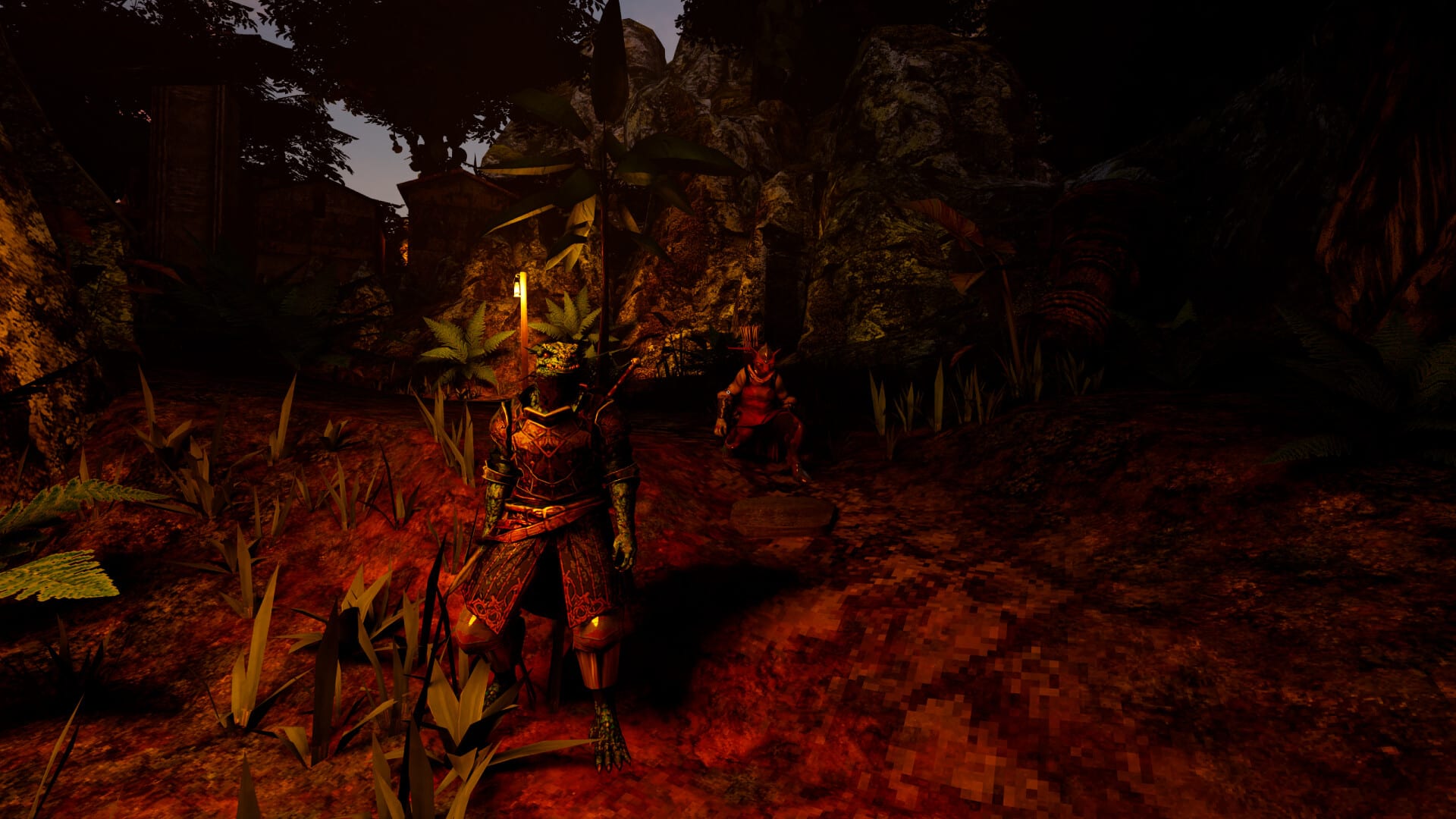
Combat in The Lantern of the Laughless Saint is pitched as visceral and punchy, with multiple weapon types against strange horrors. This basics guide prepares you for Early Access fights without pretending we already have a frame-perfect move list.
What visceral should mean for you
Expect commitment: swings and spells that feel weighty, enemies that punish greed, and systems that let creative builds break encounters—sometimes by breaking you. Trailers and developer comments celebrate spells that can catapult you absurd distances and kill you with hubris. Treat verticality and knockback as both tools and hazards.
Pre-fight checklist
- Know your escape route (island exploration).
- Stock sustain from alchemy when available.
- Match weapons to the job via weapons and builds.
- In co-op, assign who peels, who bursts, who revives (co-op guide).
Weapon families (conceptual)
Until patch notes freeze a tier list, think in roles:
- Fast arms — interrupt and harass; good for learning enemy tells.
- Heavy arms — punish openings; risky if you miss.
- Reach tools — safer versus unknown horror hitboxes.
- Hybrid magic-physical — weave crafted spells between swings (spell crafting).
Skills improve by use, so the weapon you actually swing will outpace the legendary sword you never equip. That is why early priority skills matters more than hoarding.
Encounter pacing
Pull deliberately. The island is not obligated to give fair 1v1s. Use terrain: doorways, elevation, water edges, and NPC schedules that move threats away. If a pack feels wrong, leave. Completing the main quest in EA is a marathon, not a proof of never running.
Magic in a fight
Crafted spells can solve crowd control, mobility, or raw damage—and can strand you in the sky. Test new spells on weak targets. Keep a panic utility (shield, dash, heal) before experimental nukes. Alchemy bridges gaps when mana or stamina collapses.
Moral combat
Violence is one of four Amphitheater verbs. Killing a quest NPC is a build choice and a story choice. Read Amphitheater Choices before turning every disagreement into a corpse. Some horrors are just horrors; some enemies are future audience members.
Co-op combat pitfalls
Friendly fire policies may vary by build—establish them. Do not chain-pull for montage clips. Share crowd-control cadence. If one player is a glass mage, protect their casting windows.
Training plan for week one of EA
- Master one weapon family to comfort.
- Add one mobility skill and one sustain method.
- Clear a harder pocket only after you can retreat cleanly twice in a row.
- Review deaths: positioning vs gear vs greed.
Official enemy counts target 60+ unique foes in EA—variety will outpace memorization. Learn patterns, not encyclopedias. When a patch rebalances damage, your positioning habits will still pay rent. Continue from Getting Started or the Guides Hub for the next specialty page.
Post-fight review questions
After each meaningful fight, ask: did I lose because of greed, gear, or geometry? Greed means fewer pulls and more potions. Gear means revisiting weapons and builds. Geometry means practicing kites and doorways on purpose. Write the answer once; it is worth more than a generic “get good” note and it keeps this combat guide actionable across Early Access balance swings.
Teaching newer players mid-fight
Call targets, call retreats, and call when you are experimenting with a new weapon timing. Quiet parties die to polite confusion. If someone is learning, pull smaller packs and narrate why you waited for an opening. Point them at early priority skills after the session rather than mid-swing. Combat basics become culture when the party repeats the same language every delve, not when everyone reads this page once and forgets it under the Tower.
Frequently Asked Questions
Quick answers about Early Access, co-op, and systems.
Is combat the main focus of the game?
Combat is visceral and important, but exploration, dialogue, and Amphitheater choices are equally central to the pitch.
Should I specialize in one weapon early?
Yes. Skills level by use, so a weapon you actually swing will outpace a stronger item you never equip.
What if a fight feels unfair?
Retreat, change approach, craft a utility spell, or return with better sustain. Leaving is a valid tactic.
Where do builds fit in?
See Weapons and Builds plus the playstyle tier list after you survive your first few real combat pockets.